


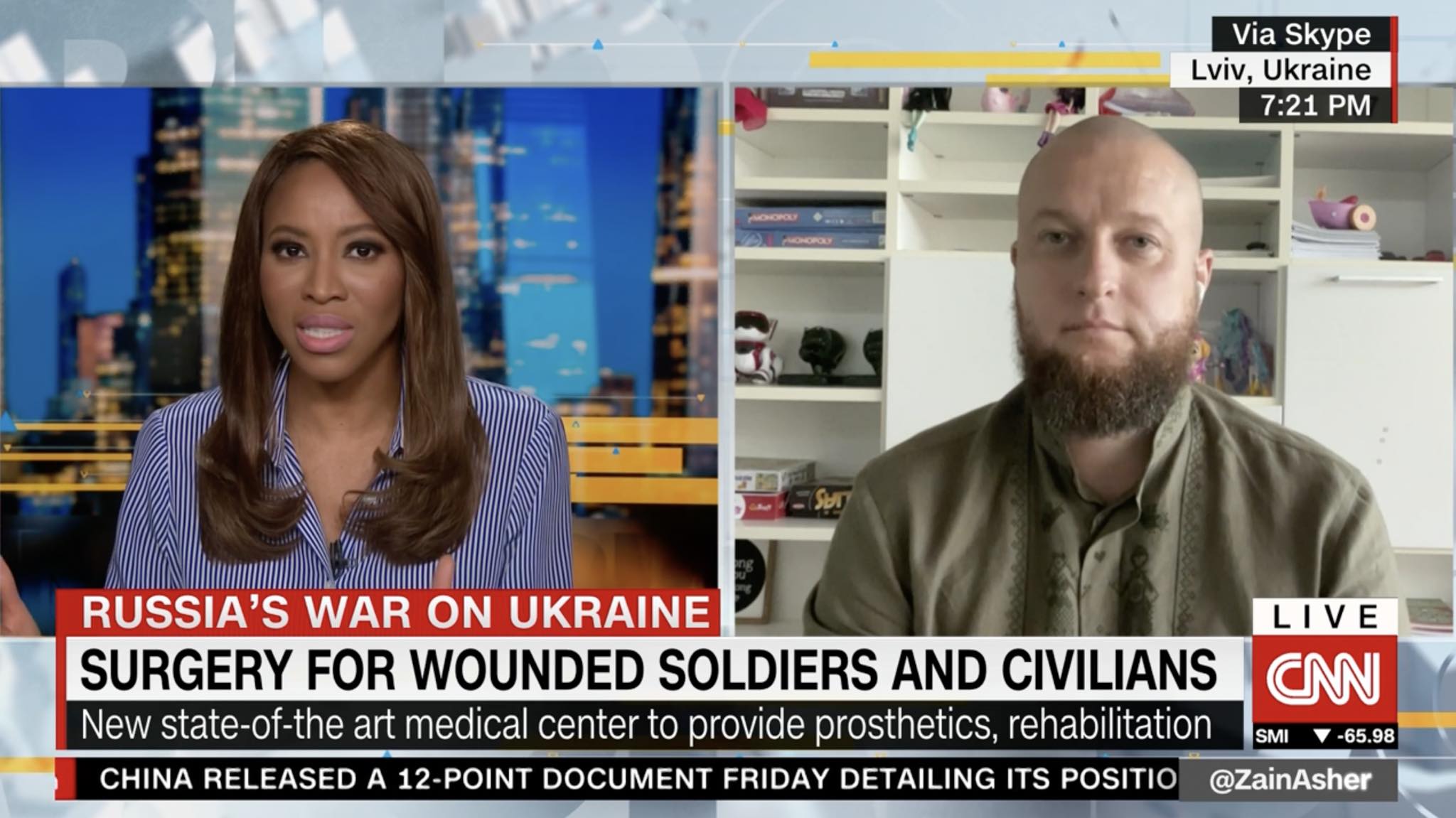
CNN has been interested in how Superhumans is progressing since day 1 we announced the project. We are sincerely grateful to Zain Asher for being deeply involved into what’s going on in Ukraine and keeping us in focus. In March Andrey Stavnitser, Superhumans co-founder, talked to One World with Zain Asher to share the news on how we set the bionic arms to soldiers before even being fully operational.
Author: pryshliak
Superhumans Announces $16M in Support from the Howard G. Buffett Foundation
Lviv, Ukraine, February TK, 2023: The Superhumans Center today announced a total of more than USD $16 million in funding support from the Howard G. Buffett Foundation. USD $15.3 million will underwrite all construction and equipment costs for the Superhumans Center in Lviv, and an additional commitment of USD $1 million will cover prosthetics for the center’s very first civilian patients and veterans. Collectively, this funding allows the Superhumans Center to further its mission to provide world-class medical services to Ukrainians in Ukraine.
Russia’s February 2022 invasion of Ukraine created a series of humanitarian crises on many fronts, including a tremendous need to treat war-related injuries. Founded by prominent Ukrainian businessmen Andrey Stavnitser and Philipp Grushko in the summer of 2022, the Superhumans Center is a state-of-the-art clinic that will provide prosthetics, reconstructive surgery, rehabilitation, and PTSD services. Superhumans’ services are free-of-charge for those impacted by the war, thanks to the generosity of private donors. Olena Zelenska, the First lady of Ukraine, is a member of Superhumans Board.
The Howard G. Buffett Foundation responded to the urgent need in Ukraine by providing humanitarian aid, food security assistance and support to various security and conflict mitigation initiatives. Howard Buffett, the chairman and CEO of the Howard G. Buffett Foundation, has visited Ukraine six times since the onset of the war and provided over USD $227 million to Ukraine since February 2022. The Foundation’s support to Superhumans stems from the sober realization of the tremendous and growing need for in-country prosthetic services to victims of the war.
“The sad reality is that Ukraine will need state-of-the-art care in a state-of-the-art facility to meet the needs of veterans and civilians who have suffered the brunt of this conflict now and for years to come,” said Mr. Buffett. “We are proud to partner with Superhumans and its incredibly committed team to fund the construction of the center and provide prosthetics for the first Superhumans to receive this critical care.”
“It is a blessing for us to get to know Howard and his brilliant team, and to gain their trust,” said Andrey Stavnitser, founder of Superhumans. “It’s fascinating to see how deeply Howard involves himself personally in the investments he is taking part in. This is not something you see every day. He traveled to Rwanda, Bosnia and Sierra Leone at the height of conflict to ensure that his work was impactful. He said that what he saw in Ukraine struck him the most, and I can see that he is invested in our work emotionally. Despite the sad circumstances, I am glad we had a chance to get to know each other and see how Howard’s foundation works.”
The first stage of Superhumans will open in April 2023 and include a prosthetics laboratory, a rehabilitation area and the psychology department. Superhumans built a special pool for rehabilitation activities, the first of its kind in Ukraine. The second stage, a building for surgery and in-patient accommodations, as well as an educational center to train doctors from across Ukraine, will open in the fall of 2023. Access to the best experience and training for Ukrainian doctors is a major part of Superhumans’ mission, which launched virtually until the center is opened.
After these stages are launched, Superhumans plans to expand to five other regions in Ukraine, to provide access to high quality care throughout the country.
The Superhumans Center is fully accessible to persons with disabilities.
Superhumans will fit two Ukrainian defenders with the state-of-the-art bionic prosthetic arms – the Hero Arms
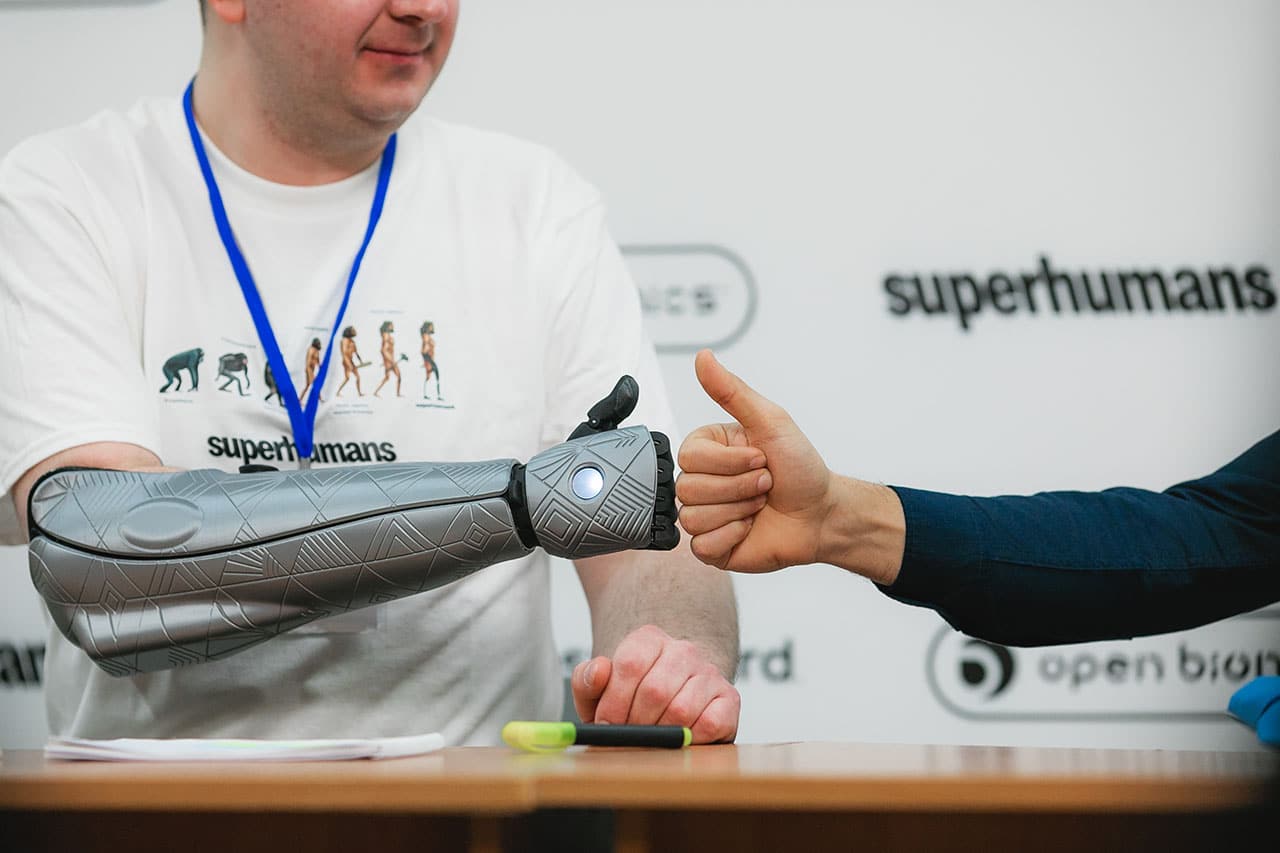
Kyiv, February 13th, 2023 — Two Ukrainian defenders who had their arms amputated after landmine-explosive injuries will be fitted with Hero Arms, state-of-the-art bionic upper limb protheses, made by the leading British technology manufacturer Open Bionics. This was made possible thanks to the support of Mastercard – as the first step opening a strategic partnership with Superhumans. Three Ukrainian prosthetists have also received special training organized by the partners based on Open Bionics.
Hero Arms are custom-made, so there are some measurements and testing required before fitting the protheses. To undergo these procedures, the militaries went to Munich, along with engineers, as well as the Superhumans and Open Bionics teams. Later, when the Superhumans clinic in the city of Lviv (Ukraine) fully opens, all stages of the prosthetics will be performed in Ukraine.
Ukrainian defenders Andrii Gidzun (30-year-old) and Vitalii Ivashchuk (24-year-old) are the first Ukrainian patients to receive high-tech bionic protheses from Open Bionics. Both were wounded and received mine blast injuries to their hands, which caused limbs amputation. Andrii was hospitalized in April 2022, Vitalii – in June.
In Munich, Andrii and Vitalii had the opportunity to test bionic protheses, to hold a glass of water, a pencil, and a small ball for the first time in months. It is difficult to convey the emotions of this moment in words. Both soldiers admitted that Hero Arms are easy to use, the principle of operation of the bionic prosthesis is clear and muscle memory takes over controlling the hand in a matter of minutes. The men will have their personal protheses ready within a few weeks.
Superhumans and Open Bionics collaborate for the first time but expect this partnership to be long-lasting. According to Joel Gibbart, founder and CEO of Open Bionics, his company’s philosophy is to make high technology accessible to a wide range of people on a long-term basis. “Our first patients from Ukraine will receive protheses, which we call “hands of heroes”. Therefore, this type is ideal for them,” says Joel.
Hero Arms are bionic prostheses of the upper limbs, known worldwide for their high functionality and bright design. The manufacturer of these protheses, Open Bionics, has an exclusive arrangement with Marvell comic book authors and provides protheses with heroic designs. The lightweight and versatile prothesis features a suite of light, sound and vibration signals to provide the users with feedback on the state of their bionic arm. Open Bionics opened an era of superpowers in the world of prosthetics. Thanks to an exclusive partnership with Superhumans and the financial support of Mastercard, this era has become available to Ukrainians with major limb injuries resulted by the war.
“Providing Ukrainians with super-technological opportunities for their lives – is the mission we are driven by while collaborating with Superhumans. Innovative and high-quality services are now important in all areas of life, and we are convinced that Ukrainians deserve the best of the modern technologies,” says Inga Andreieva, General Manager of Mastercard in Ukraine and Moldova.
“The Superhumans team is dynamically moving in several directions: we are building a hospital and prosthetics laboratory, we are training specialists, also looking for the best technologies and expertise worldwide, and already are starting the first prosthetics. By the time the clinic opens, we plan to have the best team of trained medical specialists in place, as well as the formed queue of patients who need prosthetics and rehabilitation services,” sums up the CEO of the Superhumans Olga Rudnieva.
Superhumans is a modern prosthetics, reconstruction, and rehabilitation clinic that will soon open in Lviv. Currently, the hospital is completing the equipment of the medical buildings. The project has been initiated by Ukrainian businessman Andrii Stavnitser.
Superhumans services will be free of charge for war victims, the hospital is funded by donors and partners.
Andriy Danylko sold Freddie Mercury’s car to help the Superhumans Center

August, Ukraine, Superhumans presentation
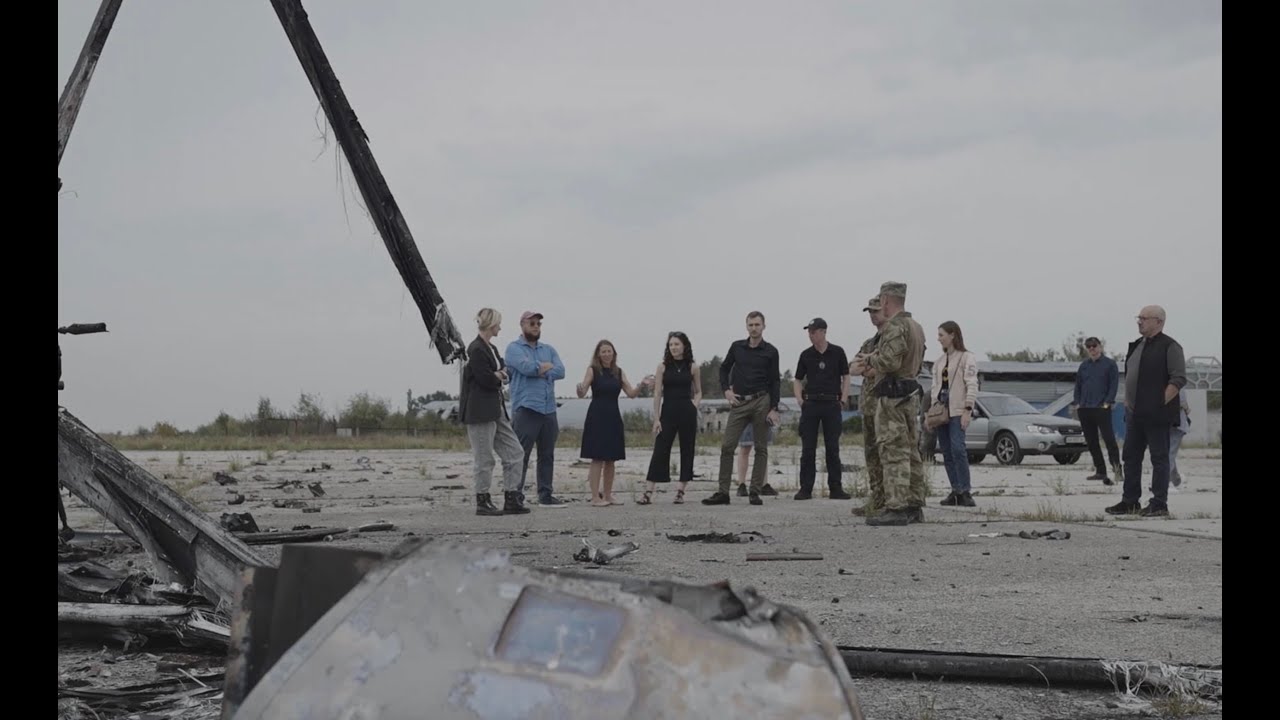
Two weeks ago our Superhumans super-ambassadors visited Ukraine to feel the spirit and visit the hospital, where the Clinic is gonna work.
We showed Liev Shreiber, Jean Oelwang, Peter Costantino, Mick Ebeling and other respected guests the torn Bucha, Hostomel and Borodyanka, looked at the destroyed “Mriya” and talked to the refugees. Next day, together with the First Lady of Ukraine, we had a chance to meet patients of the Hospital in Lviv region and get to hear their needs.
Superhumans will become fully operable in the first half of 2023
The U.S. International Development Finance Corporation (DFC) has provided the Superhumans Center with $25 million in war risk insurance.
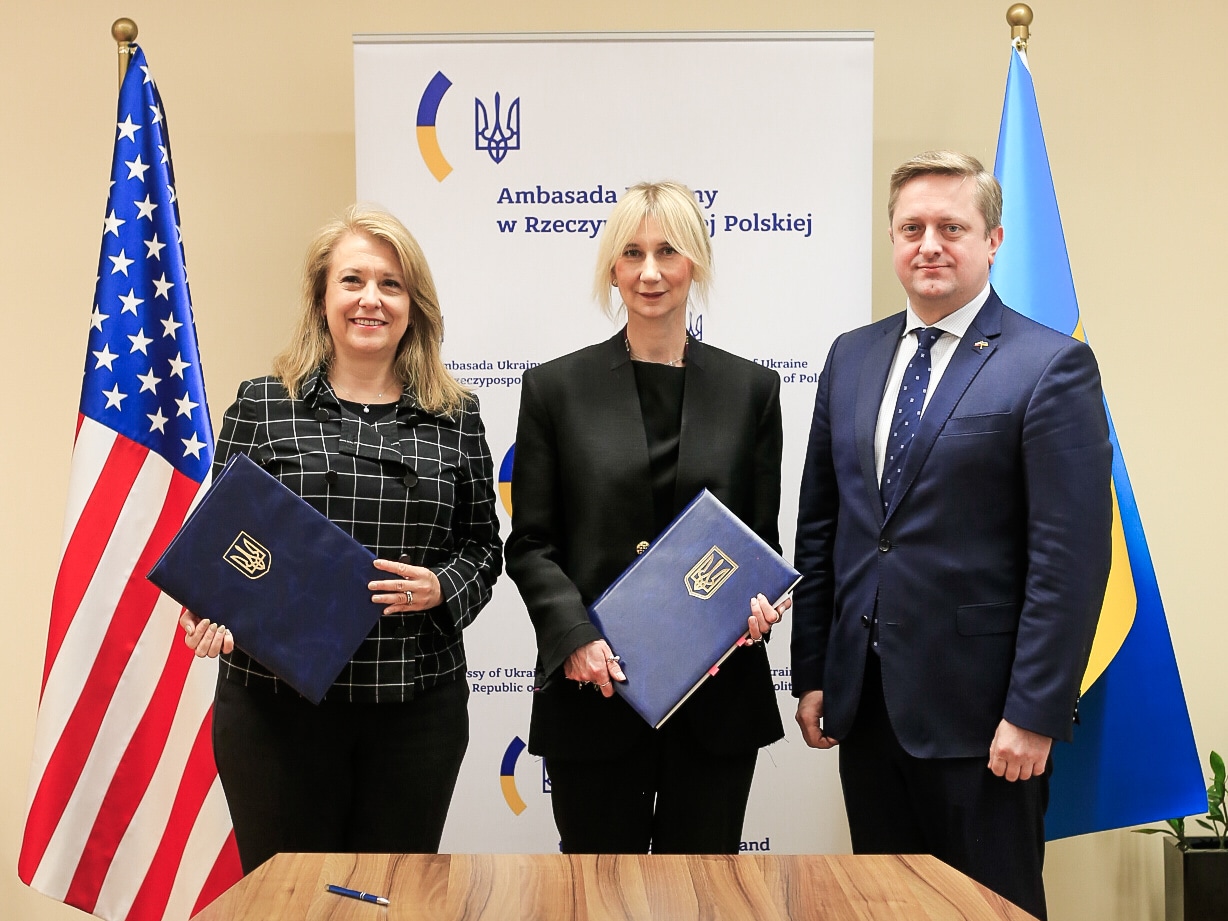
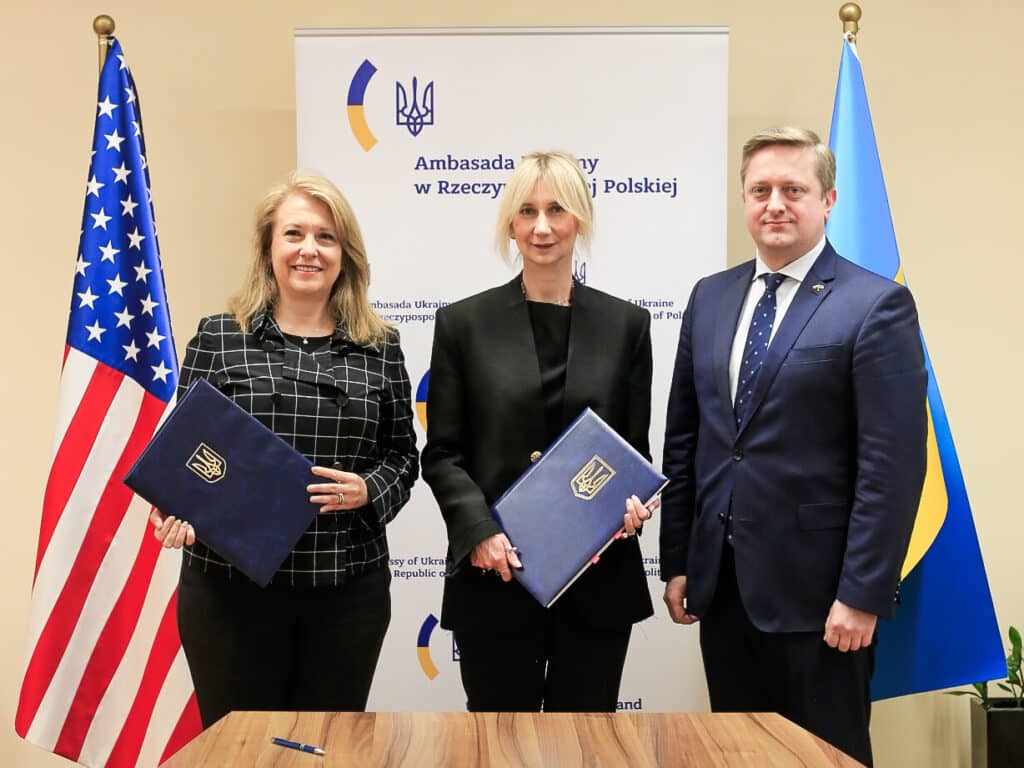
The Superhumans Center, which provides free services for prosthetics, rehabilitation, reconstructive surgery, and psychological support to those injured in the war in Ukraine, has received political risk insurance from the U.S. International Development Finance Corporation (DFC) totaling $25 million.
DFC’s political risk insurance will provide private donors with confidence in the safety of their contributions. Superhumans is a nonprofit organization without state funding, and all clinic services are completely free for patients. The trust of a powerful partner, the U.S. government agency, will enable Superhumans to expand and assist more Ukrainians.
DFC Chief Executive Officer (CEO) Scott Nathan said, “DFC is meeting a critical need for Ukraine through our political risk insurance work. Together with the private sector, we are building investor confidence where it’s needed most and mobilizing the capital required to strengthen Ukraine’s economy today and into the future. I’m proud that DFC is providing this vital support for the Superhumans Center – an organization that cares for the wounded and demonstrates the resilience and strength of the Ukrainian people amid this devastating war.”
Philipp Grushko, co-founder of Superhumans, expressed his pride in receiving DFC political risk insurance. “The center has been operating since April 2023 and is soon opening a reconstructive surgery department. For our partners, donors, and patients, this is a significant event that demonstrates the possibility of securing investments in war-torn Ukraine and investing in its recovery without waiting for the end of the conflict. We are proud to be a part of such an important initiative in Ukraine with such a reliable partner,” he said.
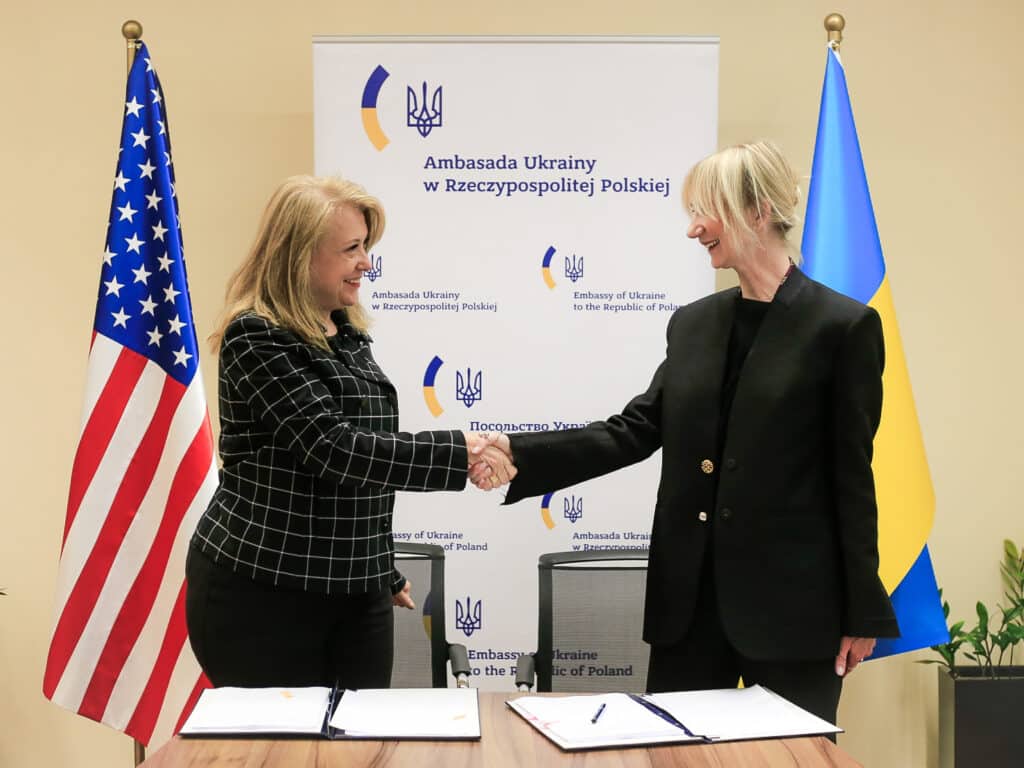
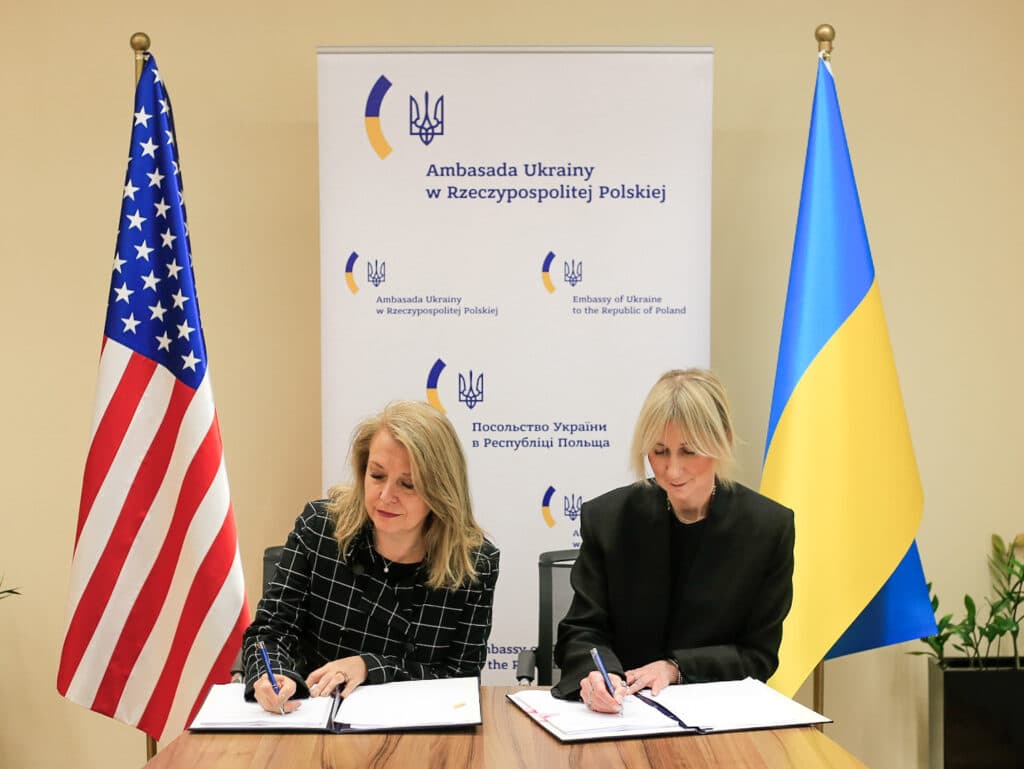
Political risk insurance from a strong American partner is a critically important market signal, indicating that investors and donors have reason to trust Ukrainian civil society organizations and businesses. DFC is one of the few organizations with the unique resources to provide political risk insurance to Ukrainian enterprises and charitable organizations during times of war. In addition to political risk insurance, DFC also offers debt financing, equity investments, and technical assistance. The U.S. government agency’s total portfolio in Ukraine stands at over $1 billion.
“This decision by DFC provides support to both international and Ukrainian investors, demonstrating that implementing projects in Ukraine is not only possible but also supported,” commented Yulia Svyrydenko, First Vice Prime Minister and Minister of Economy of Ukraine. “It is extremely important that Superhumans receives this insurance. This center is of great importance, as it is where Ukrainians restore their physical and psychological health,” she concluded.
Superhumans Center is a modern clinic providing prosthetics, rehabilitation, reconstructive surgery, and psychological support for military and civilian war victims in Ukraine. Superhumans is a nonprofit enterprise, and all clinic services are free for patients.
The center is financed by donors and partners. The first Superhumans Center was opened near Lviv, Ukraine, in April 2023, with plans to expand to other regions of Ukraine in the near future. The project was initiated by Ukrainian businessman Andrey Stavnitser. www.superhumans.comThe U.S. International Development Finance Corporation (DFC) is the U.S. Government’s development finance institution. DFC partners with the private sector to finance solutions to the most critical challenges facing the developing world today. DFC invests across sectors including energy, healthcare, infrastructure, agriculture, and small business and financial services. DFC investments adhere to high standards and respect the environment, human rights, and worker rights. www.dfc.gov
Video shows Ukrainian soldier’s conversation with sister before being killed by Russia
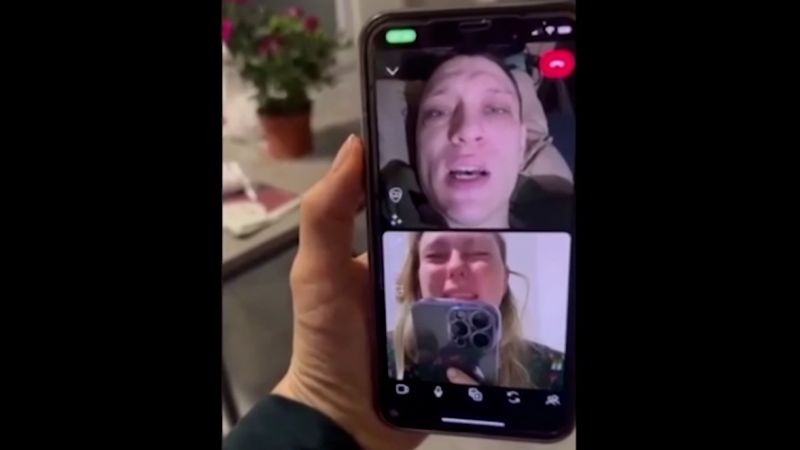
As Ukraine’s fight against Russia enters its third year, the country’s forces are outmanned and outgunned. A Ukrainian sergeant tells CNN’s Christiane Amanpour there is a catastrophic shortage of people and weapons on the frontline.
How people without limbs receive prosthetics and a new life | Olha Rudnieva from Superhumans
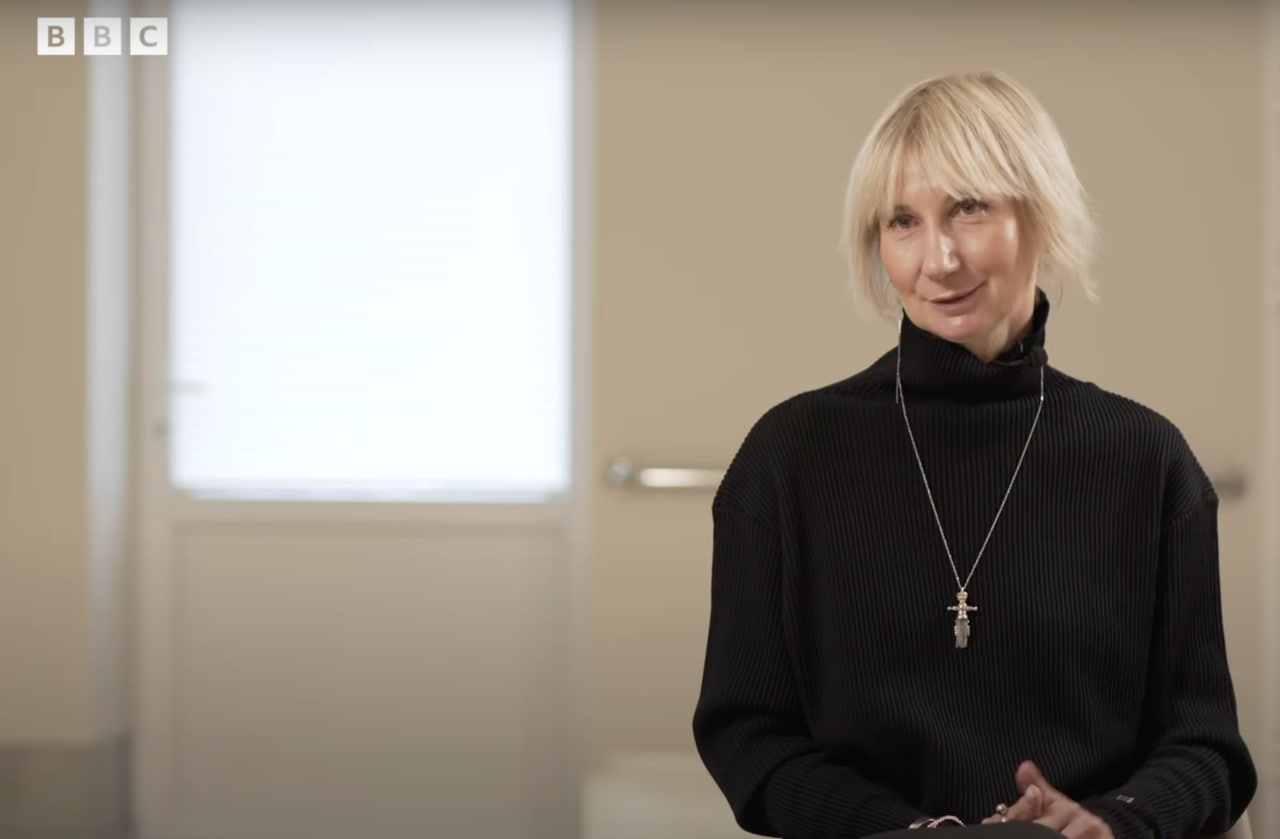
“Are you out of your mind building something during a war?” — Olha Rudnieva heard this phrase more than once when she and her partners set out to open a prosthetics center in Lviv.
But those warnings didn’t stop her, because she saw the enormous need for rehabilitation and support among those affected by Russian aggression. She succeeded in gathering a team of like-minded people and launching the innovative trauma care center — Superhumans.
“We never aimed to just build a prosthetics center — we wanted to build a center of resilience,” says Olha. She tirelessly repeats that the core mission of the center is to restore opportunities to people.
In nearly two years of operation, Superhumans has already helped over 1,000 patients — and not only military personnel but civilians as well. Today, her center helps to ease the burden on Ukraine’s overcrowded military hospitals and clinics.
According to the Ministry of Health, nearly 50,000 Ukrainians have lost limbs in almost three years of war.
Produced by: Zhanna Bezpyatchuk and Anastasiia Hribanova
Cinematography: Andriy Chad
Ukrainian troops who lost limbs in war receive prosthetics and hope for the future
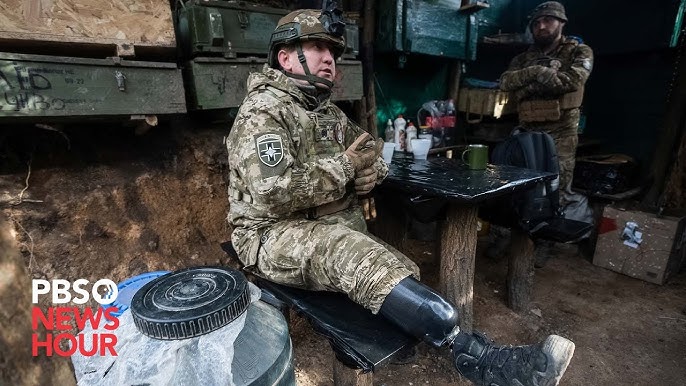
In addition to shortages of weapons and artillery in its war with Russia, Ukraine faces a critical manpower problem. Its troops are wounded and weary after more than two years of fighting and the military is struggling to replenish ranks. Amna Nawaz and producer Sam Lane report on both of those challenges.